Why Your Homemade Smoothie Tastes Worse Than the Shop Version
Quick Answer: Shop smoothies use a far higher proportion of frozen ingredients to liquid, blend at much higher power for a shorter time, and serve immediately. Home versions typically use ice instead of frozen fruit, too much liquid, and sit for several minutes before drinking. The result is dilution, warming, and separation. Freeze your fruit instead of adding ice, cut the liquid in half, and drink it within two minutes.
Ice is water pretending to be an ingredient.
That one swap closes most of the gap.
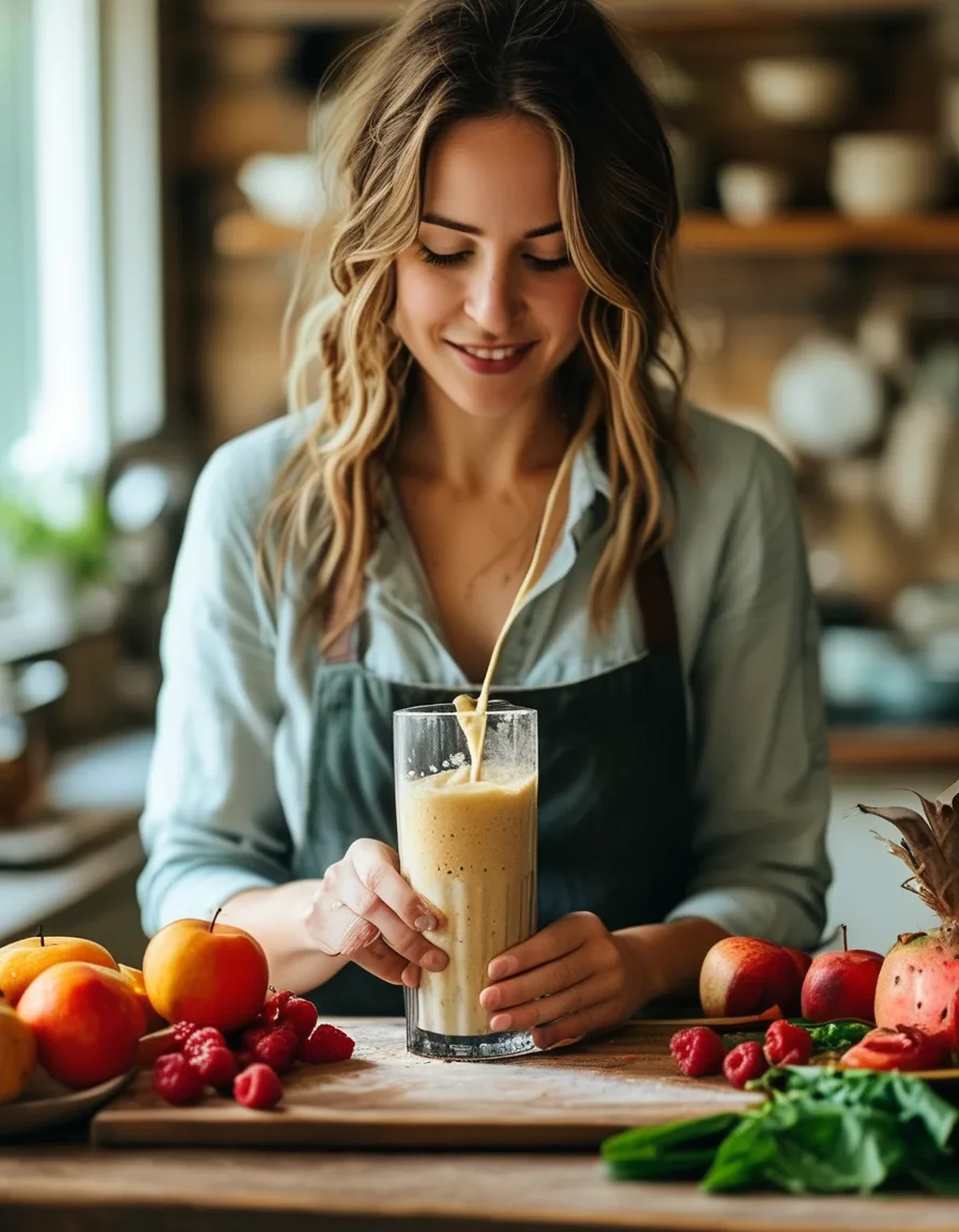
Why does ice ruin a smoothie that frozen fruit would have saved?
Because ice adds cold and dilution, while frozen fruit adds cold and flavour.
Every ice cube becomes water in your glass. A cup of ice is a substantial amount of plain water diluting everything else once it melts, which it starts doing the moment blending begins. You are watering down the drink to chill it.
Frozen fruit chills without diluting. It brings the same cold, the same thickening effect from ice crystals, and adds flavour and fibre rather than subtracting them. A frozen banana is the single highest-impact ingredient in a home smoothie - it provides cold, body, natural sweetness, and creaminess simultaneously.
Ice also blends unevenly at home. Domestic blenders often leave small shards that read as grittiness, while frozen soft fruit breaks down completely. That gritty texture people blame on protein powder is frequently just ice.
And ice makes the drink taste less sweet. Cold suppresses perceived sweetness, so a diluted, ice-heavy smoothie needs more sweetener to taste like the fruit it contains. Frozen fruit gets you the cold without paying that penalty twice.
The swap is simple: freeze fruit in portions on a tray, bag it, and stop buying ice for smoothies entirely.
How much liquid should actually go in?
Far less than most home recipes suggest, and it should be added in stages.
Start with roughly half a cup of liquid for a single serving. Most homemade smoothies use a full cup or more and end up drinkable through a straw with no resistance. Shop smoothies are thick enough to need a spoon at the start.
Add liquid gradually while blending, not all at once. Pour in a little, blend, and add more only if the vortex stalls. You can always add liquid; you cannot take it out.
Use the liquid that adds body. Milk, kefir, and yoghurt contribute protein and fat that thicken and carry flavour. Water and thin plant milks contribute neither. Swapping water for milk changes the drink more than any add-in.
Count juicy fruit as liquid. Watermelon, orange segments, and fresh berries release a lot of water, so a recipe heavy in those needs almost no added liquid at all.
And let the blender do the work before you rescue it. The instinct when the blades spin freely is to add liquid, but the correct move is usually to stop, push the mixture down, and restart. Most home smoothies are thin because their maker panicked at the ten second mark.
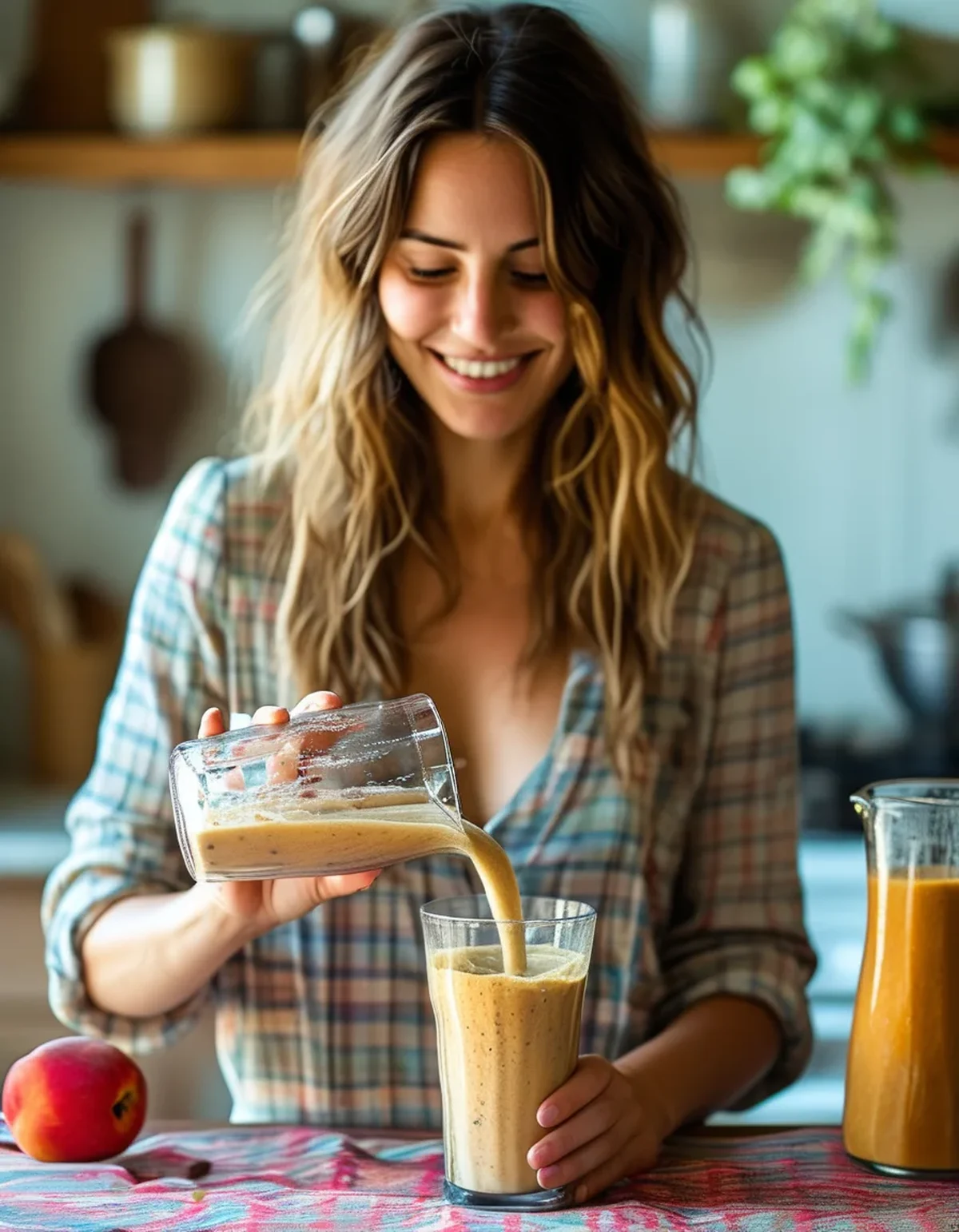
Why does it taste different two minutes after blending?
Because three things start immediately: warming, oxidation, and separation.
Blending adds heat. The blade puts real energy into the mixture, and a long blend measurably warms it. Blend in short bursts and stop as soon as it is smooth - an extra thirty seconds of blending is thirty seconds of warming and aerating.
Air folded in during blending drives oxidation. That is why a green smoothie turns brown and a banana one goes grey. The colour change comes with a flavour change, and it starts within minutes.
Separation begins as soon as the blender stops. Fibre and pulp rise or sink depending on density, leaving thin liquid at one end. A shop smoothie handed to you across a counter has had no time to do this.
Fixes that actually work: blend less, colder, and drink sooner. A cold mixture separates and oxidises more slowly, which is another argument for frozen fruit over ice.
A little acid slows the browning. A squeeze of lemon or lime, or a spoon of yoghurt, buys noticeably more time before the colour turns.
And if you are making it ahead, fill the container to the top. Less air at the surface means slower oxidation, and a good shake before drinking re-mixes what has settled.
What Nobody Tells You About Homemade Smoothies
Protein powder needs liquid first, or it clumps forever. Blend the powder with the liquid alone for a few seconds before adding frozen fruit. Powder added on top of a frozen mass forms lumps that no amount of extra blending will break down.
Loading order changes the result more than the blender does. Liquid first, then soft ingredients, then powders, then frozen items on top. This lets the blades create a vortex instead of cavitating in an air pocket - which is why identical ingredients in a different order produce a worse drink.
Salt works in smoothies. A pinch, genuinely. It sharpens the fruit the same way it does in a dessert, and almost nobody at home does it while commercial recipes routinely do.
Fat is why the shop version tastes richer. A spoon of nut butter, a quarter of an avocado, full-fat yoghurt, or coconut milk. Fat carries flavour compounds and coats the mouth, and low-fat smoothies taste thin no matter how thick they are.
Very cold blunts flavour. If yours tastes bland straight from the blender, it may simply be too cold to taste properly - let it sit sixty seconds before deciding it needs more sweetener.
And frozen cauliflower or courgette is the actual shop secret for thickness. Neutral in flavour, substantial in body, and invisible behind any fruit. It is the trick that makes a low-sugar smoothie still feel like a treat.
FAQ: Smoothie Texture Questions, Answered
Why is my smoothie gritty even after blending for a minute?
Usually ice shards, undissolved protein powder, or seeds and fibrous greens that a domestic blender cannot fully break down. Try frozen fruit instead of ice, blend the powder with liquid first, and add greens early so they get the longest blending time.
Can I make smoothies the night before?
Yes, with caveats. Fill the container to the top to limit air, add a squeeze of lemon, keep it refrigerated, and shake hard before drinking. Expect some separation and colour change - both are cosmetic rather than a food safety issue. Better still, freeze the ingredients in bags and blend fresh in ninety seconds.
Does blending destroy the nutrients?
Blending keeps the fibre that juicing removes, which is its main advantage. Some vitamin C is lost to oxidation over time, which is another reason to drink it soon rather than a reason to skip the smoothie.
TL;DR:
- Swap ice for frozen fruit. Ice dilutes and creates grit; frozen fruit chills, thickens, and adds flavour.
- Halve the liquid and add it gradually - most home smoothies are thin because liquid went in all at once.
- Load in order: liquid, soft, powder, frozen on top. Order matters more than blender power.
- Blend in short bursts and drink within two minutes - warming, oxidation, and separation all start immediately.
- Add fat and a pinch of salt. That is most of the difference between yours and the counter version.
Freeze a tray of banana chunks tonight. Tomorrow’s smoothie will be better before you change anything else.
Keep Reading
This article is for general informational purposes only and is not medical advice. Always consult a qualified health professional for guidance specific to you.