Why a Smoothie Separates Into Layers After Sitting in the Fridge Overnight
Quick Answer: Smoothies separate in the fridge because different components — water, fiber and pulp, fat from ingredients like nut butter or avocado, and any added liquid — naturally settle at different rates once agitation from blending stops, with denser components sinking and lighter or fattier components rising; this separation is a normal physical process, not spoilage, and a quick re-shake or re-blend restores the texture.
A smoothie that looked perfectly uniform right out of the blender showing clear layers the next morning isn’t unusual or a sign anything went wrong — it’s just physics catching up once the blending stopped actively holding everything together.
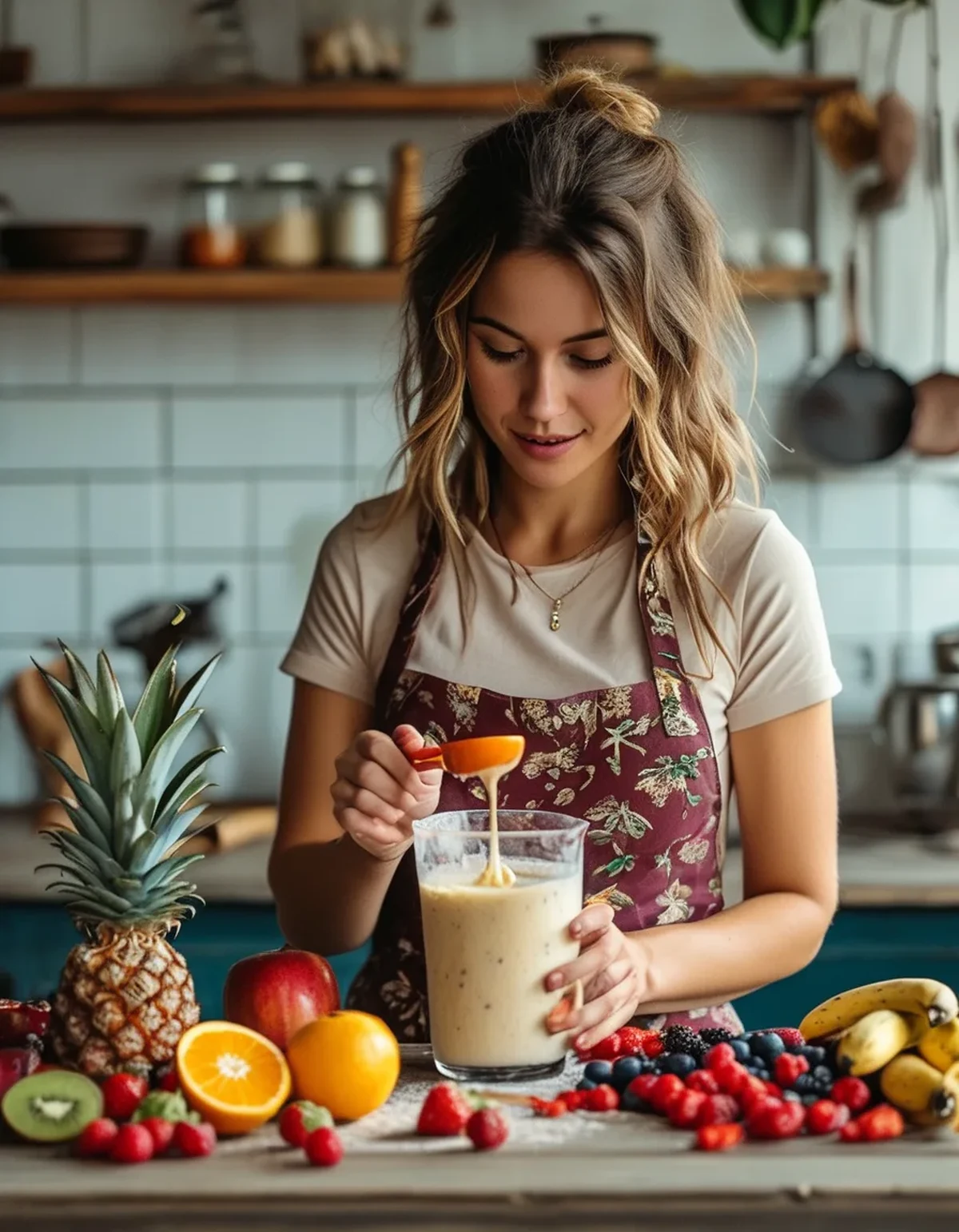
Why do smoothie ingredients separate once blending stops?
Blending creates a temporary, forcefully mixed suspension of ingredients with different densities and properties, but once that active mixing force is removed, gravity and differing particle sizes cause the mixture to gradually settle back toward its natural equilibrium — denser fiber and pulp particles sink toward the bottom while lighter fat-based ingredients like nut butter, avocado, or coconut milk tend to rise, creating visible layers over several hours of undisturbed sitting.
Does ingredient choice affect how quickly or dramatically a smoothie separates?
Yes significantly — smoothies with a wide range of ingredient densities (very watery fruit combined with dense nut butter, for example) tend to separate faster and more visibly than smoothies with more uniform ingredients, and thinner, more liquid-heavy smoothies generally separate faster than thicker ones with more fiber-rich ingredients like oats or chia seeds holding the mixture together.
What Nobody Tells You About Fiber’s Role in Preventing Separation
Most smoothie advice focuses on liquid ratio for texture, but nobody tells you that fiber-rich add-ins like chia seeds, ground flaxseed, or oats do double duty — beyond their nutritional value, they help physically stabilize a smoothie against separation by absorbing liquid and creating a slightly thicker, more gel-like consistency that resists settling better than a purely fruit-and-liquid blend.
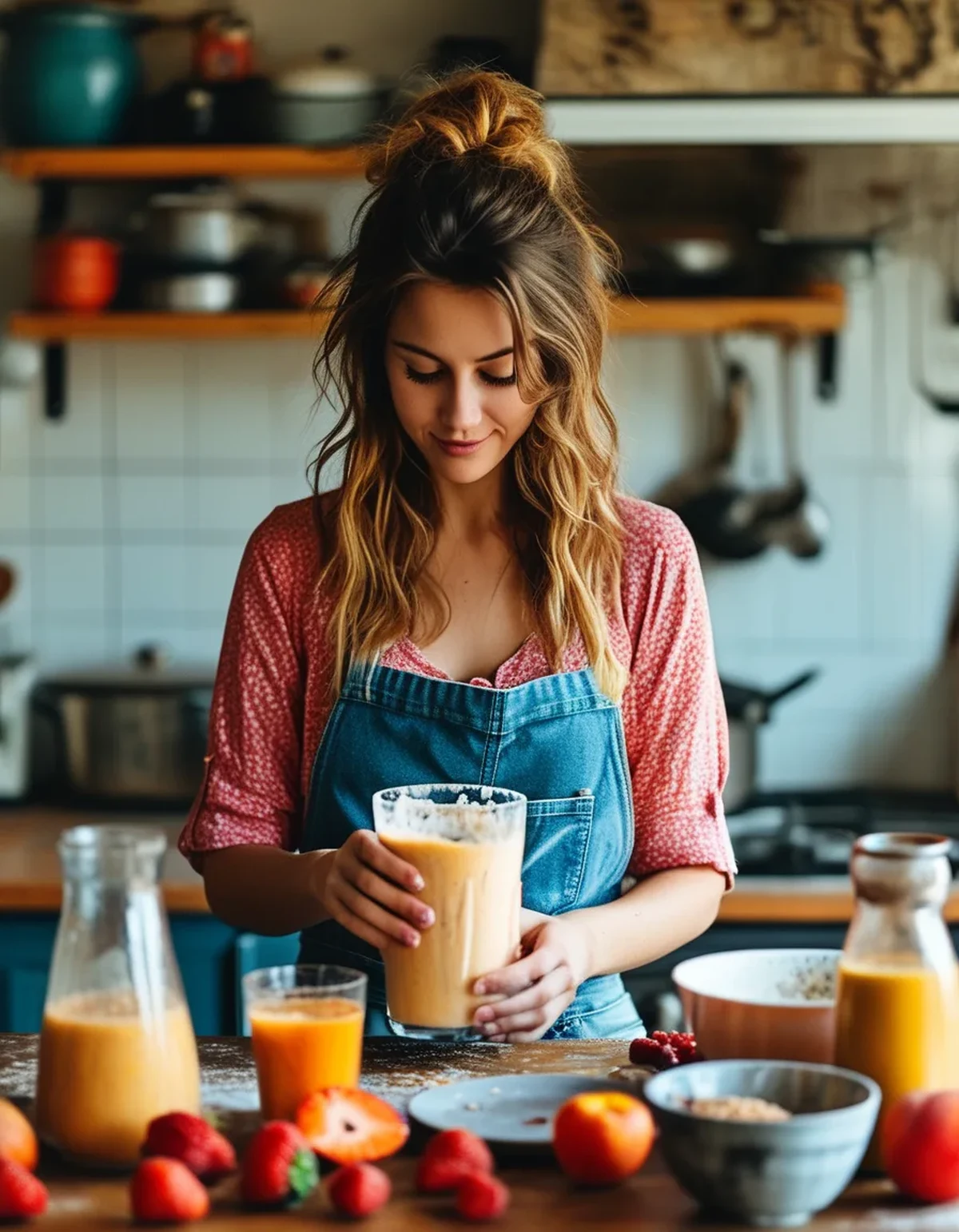
Is a separated smoothie still safe and nutritionally the same to drink?
Yes — separation is a physical settling process, not a chemical or bacterial change, meaning a separated smoothie is just as safe and nutritionally intact as it was right after blending, provided it’s been stored properly refrigerated and within a reasonable timeframe (generally one to two days); a quick shake or brief re-blend fully restores the original texture.
Does the storage container affect how much separation happens?
A tightly sealed container reduces air exposure, which can slow some oxidation-related color and flavor changes, but it doesn’t meaningfully prevent the physical settling process itself, meaning separation will still occur in a well-sealed jar over several hours regardless of container quality — the fix remains re-mixing before drinking rather than container choice.
FAQ: Smoothie Separation, Answered
How long can a blended smoothie safely sit in the fridge before drinking?
Most smoothies are best consumed within 24 to 48 hours for optimal taste and nutrient retention, though they generally remain safe a bit longer if refrigerated properly; separation itself isn’t a spoilage indicator either way.
Is shaking or re-blending better for restoring a separated smoothie’s texture?
A vigorous shake in a sealed container works for mild separation, while a brief re-blend restores a more uniformly smooth texture for smoothies that have separated more significantly or contain thicker add-ins like nut butter.
Does adding yogurt or a thickener reduce future separation?
Yes — ingredients like Greek yogurt, banana, or a small amount of chia or flax help bind the mixture and generally reduce both the speed and visibility of separation compared to a thinner, primarily fruit-and-liquid smoothie.
TL;DR:
- Different ingredient densities naturally settle once the active blending force stops, creating visible layers
- Wider ingredient density ranges and thinner smoothies tend to separate faster and more visibly
- Fiber-rich add-ins like chia or oats help physically stabilize a smoothie against separation
- Separation is a physical process, not spoilage, and a quick re-shake or re-blend fully restores texture
A layered smoothie the next morning isn’t a sign anything went wrong the day before — it’s just the ingredients settling back into their natural order, easily undone with one more quick blend.
Keep Reading
This article is for general informational purposes only and is not medical advice. Always consult a qualified health professional for guidance specific to you.