Why Your Green Smoothie Turns Brown in the Fridge (and How to Stop It)
Quick Answer: Browning is oxidation — exposure to air breaks down chlorophyll and other pigments over time. Adding citrus juice, filling containers to the top with minimal air, and freezing portions instead of refrigerating all slow it down significantly.
You batch-prepped smoothies for the week, proud of your Sunday meal prep. By Wednesday they look like something went wrong. Nothing spoiled — it’s just oxidation doing exactly what oxidation does.
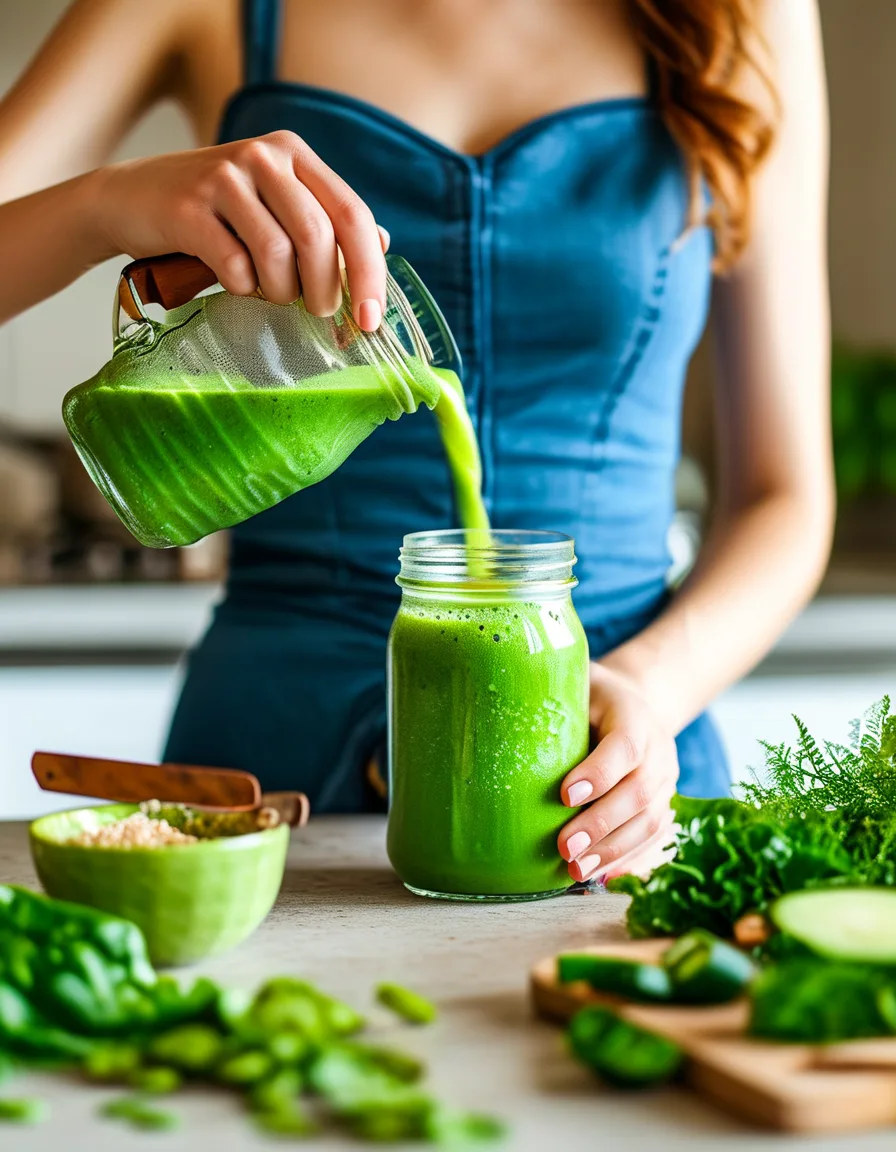
What actually causes the brown color change?
Oxidation happens when the plant enzymes and pigments in your smoothie (chlorophyll from greens, plus enzymes in fruit like apples and bananas) react with air over time, breaking down the bright green and red-orange pigments into duller brown tones. It’s the same reaction that browns a cut apple left on the counter.
The more surface area exposed to air — a wide jar filled halfway, or blending in extra air — the faster this reaction happens.
What’s the single biggest fix for keeping smoothies bright?
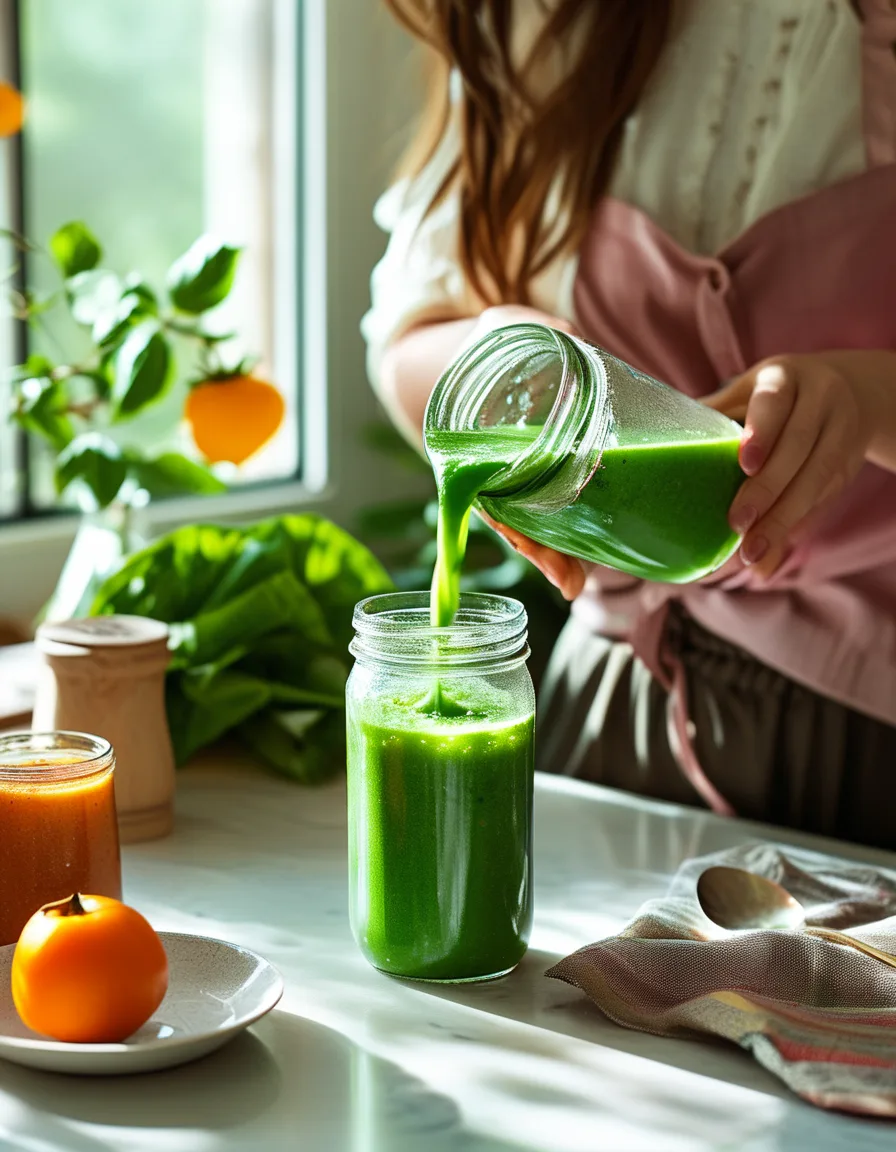
Fill your storage container all the way to the top, leaving as little air pocket as possible, and seal it tightly — less oxygen contact means slower oxidation. A mason jar filled to the brim outperforms a half-full container by a wide margin over 2-3 days.
Adding a splash of citrus juice (lemon or lime) also helps — the vitamin C acts as a natural antioxidant that slows the browning reaction, similar to how lemon juice keeps cut apples from browning.
Does freezing prevent the color change entirely?
Yes, largely — freezing individual portions stops the oxidation reaction almost completely since the enzymes need liquid movement and air contact to actively react. This is the most reliable fix for smoothies prepped more than 2 days ahead.
Blend and portion into freezer-safe containers or bags, then thaw just the portion you need the night before or blend frozen chunks fresh each morning instead of storing liquid smoothie long-term.
Myth vs Fact: Smoothie Browning
Myth: a brown smoothie has gone bad. Fact: browning is a color change from oxidation, not spoilage — it’s still safe to drink within the normal 2-3 day refrigerated window, it just looks less appealing.
Myth: blending longer keeps it fresher. Fact: blending longer actually incorporates more air, which speeds up oxidation rather than slowing it — shorter, efficient blending helps preserve color longer.
FAQ: Smoothie Storage Questions, Answered
Is a brown smoothie still safe to drink?
Yes, generally — browning is oxidation, not spoilage, as long as it’s been stored within the normal 2-3 day refrigerated window and smells and tastes normal.
Does adding citrus change the taste noticeably?
A small splash (about a teaspoon per serving) is usually undetectable in flavor while still slowing oxidation effectively.
How long can a smoothie stay bright green in the fridge?
With a full, sealed container and a citrus splash, most smoothies stay visually bright for about 24-36 hours before noticeable browning begins.
TL;DR:
- Browning is oxidation from air exposure, not spoilage — it’s still safe within 2-3 days
- Filling containers fully and sealing tightly is the single biggest fix
- A splash of citrus juice slows the browning reaction naturally
- Freezing portions stops oxidation almost entirely for longer prep windows
Next batch, fill the jar to the brim and add a splash of lemon — the color difference by Wednesday is noticeable.
Keep Reading
This article is for general informational purposes only and is not medical advice. Always consult a qualified health professional for guidance specific to you.