Why the Same Smoothie Can Spike Blood Sugar Differently Depending on What's Blended First
Two smoothies made from the exact same ingredients can affect blood sugar very differently depending on how thoroughly the fruit gets broken down and whether the fiber-rich parts make it into the blend at all, which is why a homemade smoothie doesn’t automatically behave like eating the same fruit whole.

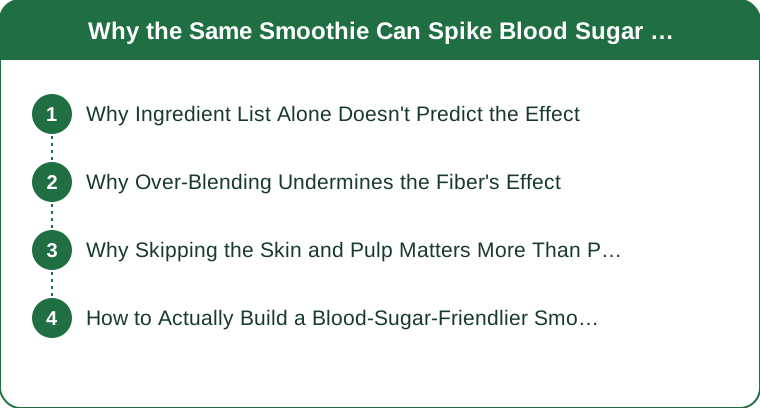
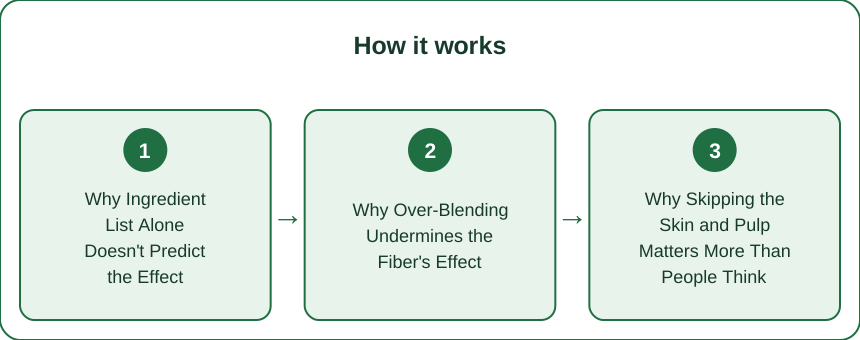
Why Ingredient List Alone Doesn’t Predict the Effect
The gap: two smoothies with identical fruit, liquid, and add-ins still producing different blood sugar responses depending on how finely the fruit’s fiber structure gets broken down during blending, a variable that a recipe’s ingredient list doesn’t capture.
Why Over-Blending Undermines the Fiber’s Effect
The mechanism: fiber’s blood-sugar-moderating benefit coming partly from its physical structure slowing digestion, and blending fruit into an extremely fine, almost juice-like consistency partially breaking down that structure, letting sugars absorb faster than they would from the same fruit eaten whole.

Why Skipping the Skin and Pulp Matters More Than People Think
The overlooked factor: fiber concentrating heavily in fruit skins and pulp, so smoothies made with peeled fruit or strained to remove pulp lose a meaningful share of the fiber that would otherwise blunt the sugar spike.
How to Actually Build a Blood-Sugar-Friendlier Smoothie
The practical fix: keeping skins on where edible, avoiding over-blending into a completely smooth, thin texture, and adding a source of protein or fat like Greek yogurt or nut butter, and the frame (blending order and pulp retention change how a smoothie hits blood sugar as much as the ingredient list does — keeping fiber intact and adding protein is what actually moderates the spike.)
Two smoothies made from the exact same ingredients can affect blood sugar very differently depending on how finely the fruit’s fiber structure gets broken down during blending, since fiber’s blood-sugar-moderating benefit comes partly from its physical structure slowing digestion, and blending fruit into an extremely fine, almost juice-like consistency partially breaks down that structure, letting sugars absorb faster than they would from the same fruit eaten whole. Fiber concentrates heavily in fruit skins and pulp, so smoothies made with peeled fruit or strained to remove pulp lose a meaningful share of the fiber that would otherwise blunt the sugar spike. Keeping skins on where edible, avoiding over-blending into a completely smooth, thin texture, and adding a source of protein or fat like Greek yogurt or nut butter is what actually moderates a smoothie’s blood sugar impact.
Keep Reading
This article is for general informational purposes only and is not medical advice. Always consult a qualified health professional for guidance specific to you.